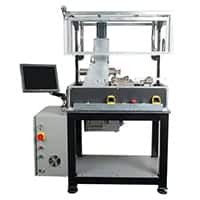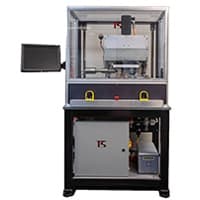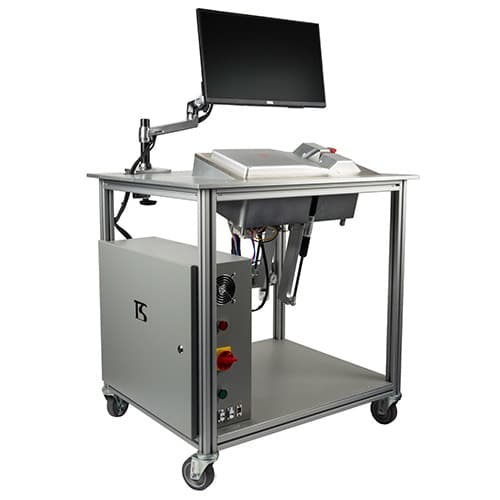

Ultrasonic Copper Tube Sealers in HVAC and Refrigeration Systems
Imagine walking through a high-volume appliance factory. You see rows of refrigerators and air conditioners moving down the line. You would have seen teams of workers with torches in the past. They were brazing copper tubes shut after charging them with gas. It was hot, loud and smoky.
That scene is changing fast in the current times. Leading firms are replacing those torches with ultrasonic copper tube sealers. These machines look like something out of a science fiction film but their impact on production is very real.
The Science of the Cold Weld
If you have spent any time in a workshop, you know that heat is the standard way to join metal. Ultrasonic sealing ignores that rule. It uses high-frequency vibrations to create a bond. The machine first secures the copper tube with its clamps before the equipment produces vibrations through the metal at a frequency of 20000 cycles per second. The tube’s inner walls produce friction which generates sufficient heat to weld the walls together. You create a molecular bond through your work because you do not melt the metal.
This is often called a “cold weld.” Organisations find that this type of seal is incredibly reliable. Since the copper does not reach its melting point, the metal stays strong. It results in a hermetic seal that can hold high-pressure refrigerants for years.
Why Modern Firms Are Switching
Brazing is a skill that takes time to learn. It is also risky. An open flame in a factory is always a safety concern. If a worker makes a mistake, the joint might look okay but leak a month later. That is a nightmare for any company. Ultrasonic sealers take the guesswork out of the job.
Speed and Reliability on the Line
A typical ultrasonic sealer from a provider can close and cut a tube in under two seconds. You can’t even get your lighter out that fast. The machine does the pinching, sealing, and cutting all in one go. Every seal is identical. Your organisation gets the same result at 8 AM as it does at 4 PM. There is no fatigue. There is no human error.
The data tracking is another huge plus. Many of these systems record the energy used for every single seal. The machine lets you know immediately when the tube is dirty or the pressure is off. You get to fix the problem before the unit leaves the factory.
A Cleaner Footprint
Think about the consumables. Brazing needs gas. It needs flux. It needs filler rods. Your firm has to buy them, store them, and manage the fumes they create. Ultrasonic sealing needs none of that. It runs on electricity. It produces no smoke. It is a dry process. This makes it a great choice for organisations trying to hit green targets. You get a cleaner workspace and a lower carbon footprint. It is a win for everyone.
Implementing the Tech
Switching over is simpler than it looks. Most organisations start by replacing the final charging port seal. That is the most common leak point. Once you see the results, you might want to use it for other joints too. The machines are portable enough to fit into existing lines. You do not need a total factory overhaul to make it work.
If your company wants to stay ahead in the HVAC market, the shift to ultrasonic technology is the way to go. You save time. You save money. Most importantly, you make a better product. The future of HVAC is not in the flame. It is in the vibration. Stick to the modern path and your production line will thank you for it.
Related Posts: