
How Ultrasonic Copper Tube Sealers Improve Production Speed
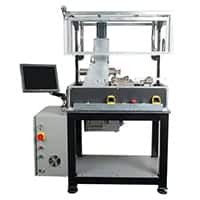
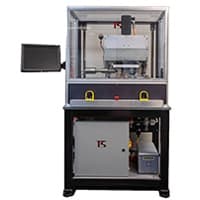
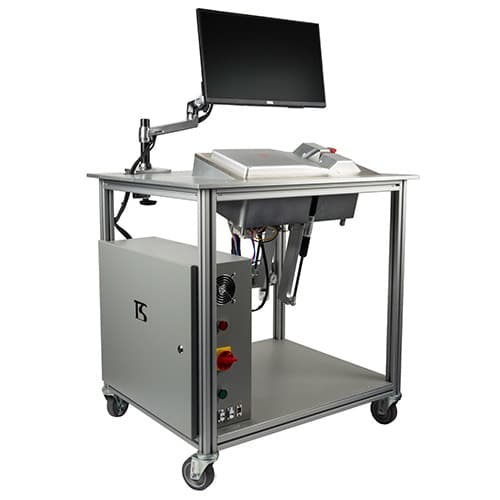
Ultrasonic copper tube sealers boost production speed by condensing the sealing and cutting process into a single, two-second automated operation that bypasses the need for filler materials or cooling periods. By replacing manual torch work with acoustic friction, organisations achieve immediate hermetic closure and move units directly to final testing without thermal delays.
We keep hearing that more workers on the line will solve the backlog. It won’t. Adding more torches just adds more heat to the floor and more variables to the failure rate; real speed comes from removing the flame entirely.
The Friction of Traditional Thermal Joining
Manual brazing is a bottleneck that many firms just accept as a cost of doing business. You hire skilled labor, you buy gas, and then you wait. You wait for the torch to heat up. You wait for the filler to flow. Then, the biggest time-waster: you wait for the joint to cool down so a technician can check for leaks.
The Hidden Cost of the Cooling Phase
When you use heat, the metal expands and then contracts. This thermal lag creates a literal physical gap in your production flow. Parts sit on the line, taking up space, doing nothing but shedding heat. If a firm produces five hundred units a day, those cooling minutes add up to hours of dead time. It is a slow leak in your profitability.
Acoustic Sealing as a Production Accelerator
Ultrasonic sealing changes the math. A machine from a reputed company clamps the tube and vibrates it until the copper surfaces bond at a molecular level. The whole cycle takes about two seconds.
Data-Driven Validation in Real Time
Modern sealers don’t just pinch the tube shut. They monitor the energy, time, and displacement of every single seal. This means your organisation is effectively leak-testing while the seal is being made. You don’t need a secondary station to find out if the joint is bad. The machine tells you right then. If the parameters are met, the part is good. Move it. Pack it. Ship it. It is that fast.
What Most People Get Wrong About This
Most managers think switching to ultrasonic is just about buying a new tool. They assume any copper tube will react the same way under the anvil. That is a mistake that kills speed. The secret is in the “temper” of the copper. If you use tubing that is too hard, the ultrasonic vibrations will cause the metal to crack instead of fuse. You end up with a high scrap rate that negates your speed gains.
Another miss? Tooling maintenance. People think because there is no flame, there is no wear. But those acoustic tools are doing a lot of work. If you don’t track their wear life, your seal quality drifts. The pros don’t wait for a leak; they watch the power graph on the controller. When the energy spike starts to widen, they swap the tool. That is how you keep the line moving at top speed.
The Future: Total Line Autonomy
The next step for companies isn’t just faster sealing; it is total integration. We are looking at systems where the sealer talks directly to the refrigerant charging station. The moment the charge is done, the sealer triggers. No human hand touches the tube. No one has to put on safety goggles for a torch. You get a sterile, fast, and repeatable process.
Moving away from the flame is a big jump. But when you look at the cycle times and the lack of rework, the choice is clear. Your line stays cool, but your output stays hot. It is time to let the sound do the work.
Related Posts: